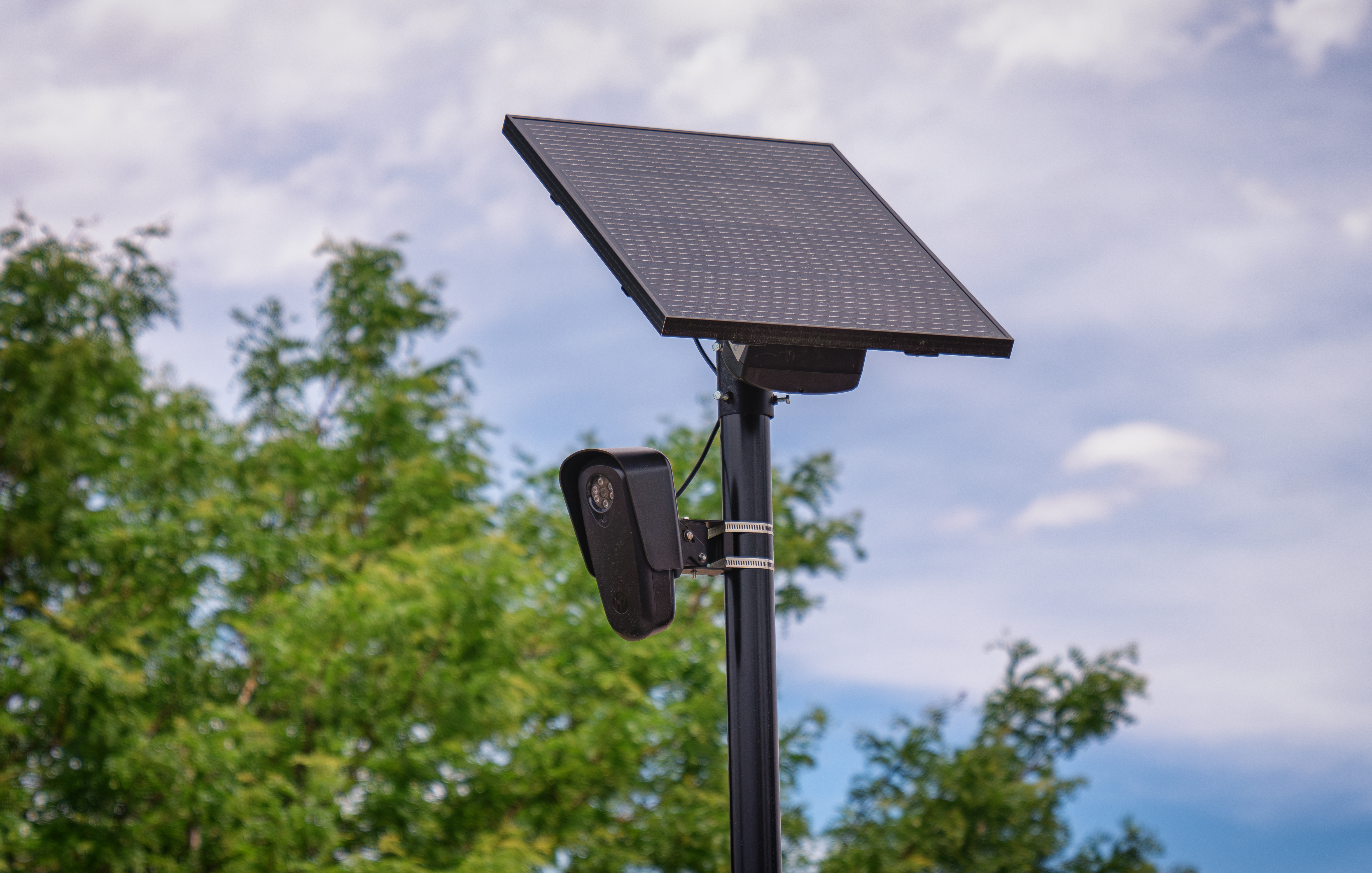
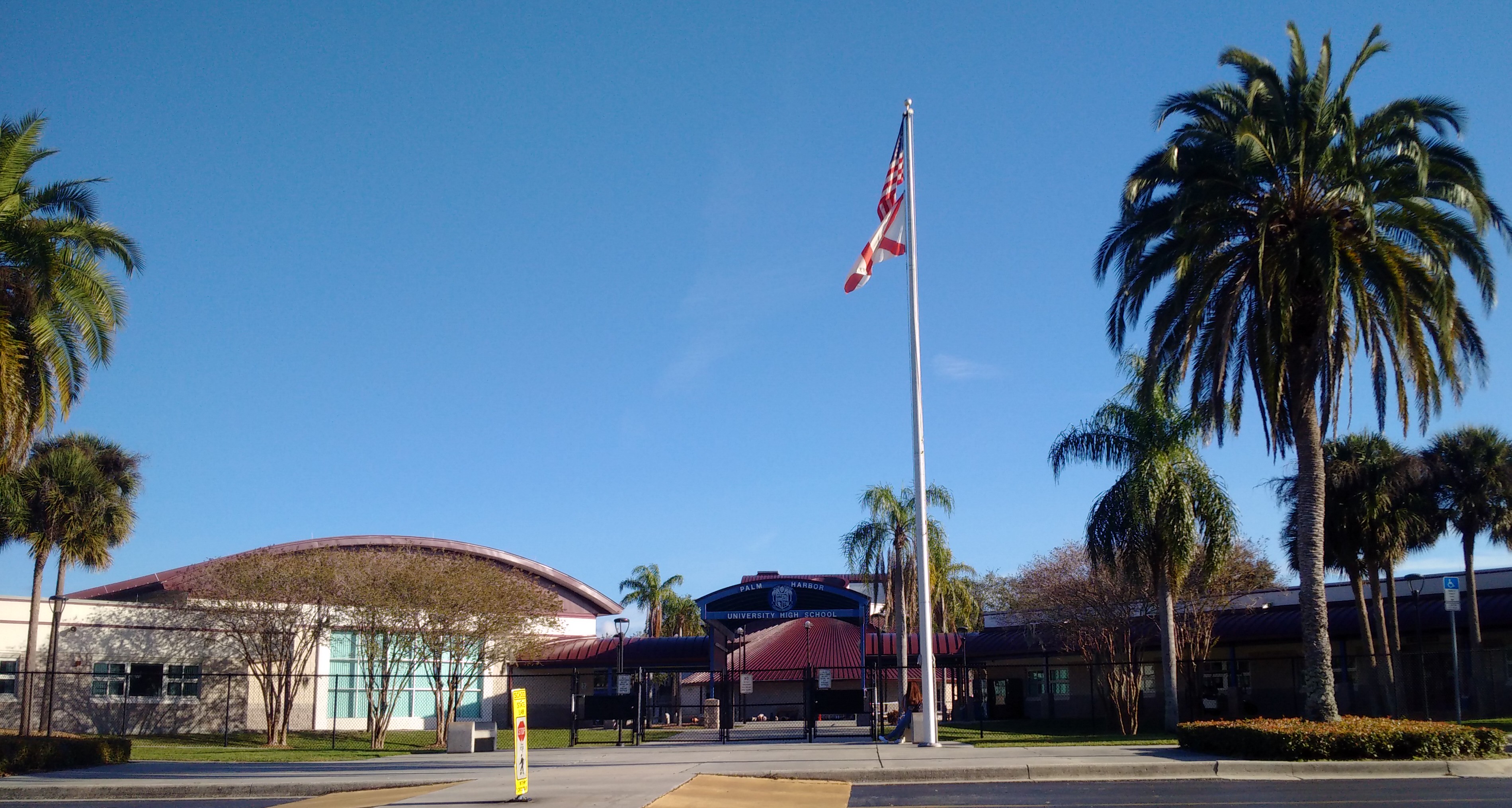
The Pinellas County Sheriff’s Office did not provide the Tampa Bay Times a full response to questions about its use of Flock license plate reader cameras, including the number of cameras the agency can access and how many officers can search the network. The sheriff’s office is the primary law enforcement agency for unincorporated Palm Harbor; the city of Dunedin has its own police department.
A Tampa Bay Times investigation, published Saturday, Aug. 22, found that Florida law enforcement agencies are often limiting public access to information about the cameras. Times reporters surveyed 21 Tampa Bay-area agencies; eight provided full responses. Several cited security exemptions in state law to justify withholding surveillance details.
A growing backlash
The transparency gap is fueling a protest movement that reached Tampa Bay this month. A national group called DeFlock held a Week of Action from Aug. 16 through Aug. 22 in 460 cities. According to DeFlock, 100 cities nationwide have moved to reject the technology.
In St. Petersburg, roughly 120 people packed the President Barack Obama Main Library in early August for DeFlock St. Pete’s first public meeting. Every seat filled before the event began, with a cluster of attendees waiting in the lobby. Zach Schira, a 30-year-old software engineer who organized the event, told attendees that St. Petersburg police have used Flock since at least 2022 and renewed the contract without much public input.
Janet Michelle, an activist and writer who sat in the front row, told the Tampa Bay Times she had spotted Flock cameras on local roadways and at the Lowe’s where she shops.
“I’m against the spread of the surveillance state, like a lot of people here,” Michelle said. “I don’t even know whose hands my data ends up in.”
A DeFlock Tampa social media account has also emerged.
Abuse cases mount
The backlash follows documented cases of officers misusing the technology. Former Sarasota police officer Cory Waiters, 38, was arrested Aug. 19 and faces two felony charges and a misdemeanor after investigators alleged he searched the same license plate 358 times through Flock between May and October 2025 without an active criminal investigation. A Brevard County deputy resigned in May after an internal investigation found he had accessed Flock to look up his ex-girlfriend’s license plate.
The Institute for Justice has cataloged more than 100 alleged incidents of automated license plate reader abuse nationwide, including stalking, wrongful stops and non-law-enforcement use.
After a Washington Post investigation documented similar cases, Flock Safety announced that it would require officers to identify a case number and reason for each search, automatically review abnormal activity and reduce its default data-retention period from 30 days to seven. Agencies may preserve data longer under the company’s Evidence Mode or retain it longer when state or local policy requires it.
What the cameras do
Flock cameras use motion activation to photograph vehicles and categorize them by make, model, color, license-plate number and distinguishing features. The images enter a searchable database, and the system can compare plates against National Crime Information Center hot lists of wanted or stolen vehicles.
A crowdsourced DeFlock map shows roughly 800 Flock cameras across Pinellas, Hillsborough and Pasco counties, though that count includes some cameras owned by private businesses and is difficult to independently verify. Flock Safety says it has about 120,000 cameras in 49 states and contracts with roughly 7,000 law enforcement agencies.
The Pinellas County Commission had a regular meeting Tuesday, Aug. 25. Residents seeking information on PCSO policies can contact the Sheriff’s Office at [email protected].




.jpg)