
Seniors at Palm Harbor University High School and Dunedin High School are among the first Florida students required to complete a standalone personal finance course to earn a standard high school diploma.
The Class of 2027 must earn a half-credit in personal financial literacy and money management before graduating, as the Tampa Bay Times reported Thursday, Oct. 8.
The course teaches students practical financial skills, including managing bank accounts, building credit, filing taxes, understanding insurance, calculating interest and evaluating savings and investments.
The requirement comes from the Dorothy L. Hukill Financial Literacy Act, which Gov. Ron DeSantis signed in March 2022. It applies to students who entered ninth grade during the 2023-24 school year or later.
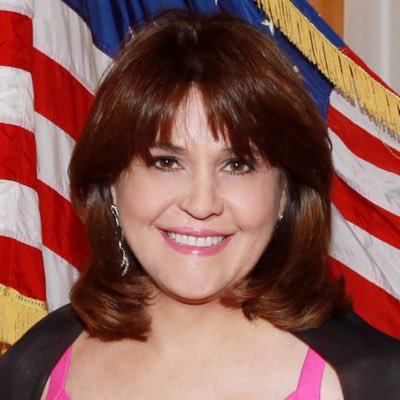
The law is named after former state Sen. Dorothy L. Hukill, who advocated for financial education before her death in 2018.
What students must learn before graduation
Under the law, students must complete a standalone, semester-long course covering personal financial literacy and money management.
Florida's required topics include budgeting, credit scores, managing debt, applying for loans, calculating federal income taxes, understanding insurance policies and evaluating different types of savings and investments.
Students also learn about contracts, local tax assessments, inheritance and how to dispute incorrect billing statements.
Pinellas County Schools includes the course, Personal Finance and Money Management, in its 2026-27 curriculum guide.
The new requirement does not increase the total number of credits needed for a standard diploma. Instead, Florida reduced the elective requirement from eight credits to 7.5 to make room for the half-credit finance course.
Students who completed the required course before their senior year do not need to take it again.
The course is also available through Florida Virtual School, giving eligible students another option for meeting the graduation requirement.
Schools face challenges implementing new mandate
Although lawmakers approved the requirement in 2022, schools have had to incorporate the course into existing schedules and prepare teachers to deliver the curriculum.
Brett Burkey, director of education at the Florida Council on Economic Education, wrote in November 2025 that the mandate came without dedicated state funding for teacher training, instructional materials or implementation.
Districts were left to determine how to provide the course while meeting existing graduation requirements.
Research suggests standalone financial education can produce lasting benefits.
A 2025 study discussed by Education Week found that students who completed standalone personal finance courses experienced improvements in credit outcomes extending into adulthood.
Researcher Carly Urban of Montana State University reported that integrating financial topics into other courses did not produce the same measurable effects.
Florida's financial literacy rating expected to improve
The 2026 National Report Card on State Efforts to Improve Financial Literacy in High Schools projects that Florida's rating will rise from a C to an A as the standalone graduation requirement takes effect.
Billy Hensley, president and CEO of the National Endowment for Financial Education, described the requirement as an important first step toward providing effective financial education to all students.
Florida was the nation's most populous state to adopt a full-semester personal finance graduation requirement when the law passed in 2022.
For families at Palm Harbor University and Dunedin high schools, the change means students must demonstrate financial knowledge before receiving their diplomas.
Students who still need the credit can explore the Florida Virtual School Personal Finance and Money Management course or contact their school counselors to confirm available options and graduation requirements.



.jpg)