Pinellas County's $125.7 million beach nourishment project faced its first significant storm-related wave action Saturday, Oct. 10, as Hurricane Isaias sent waves onto Gulf beaches, washing away some sand at Indian Rocks Beach without causing widespread damage to the restored shoreline.
The project, completed in February, replaced sand lost during the 2024 hurricane season and added protective dunes along stretches of the county's coastline.
County officials said the additional sand was serving its intended purpose by absorbing wave energy before erosion could reach beachfront properties and infrastructure, Spectrum Bay News 9 reported.
"That's what beach nourishment is for, is to have a buffer so that when we get that wave action from storms, it's pulling off that sand instead of eroding back into our infrastructure," Ashley J. Giovannetti, a communications projects coordinator for Pinellas County, told the station.
Although Isaias largely spared the Tampa Bay area from its most severe conditions, the storm brought enough wave action to erode portions of the newly placed sand.
The observations offered an early indication of how the restored beaches respond to storm conditions, though a complete assessment of the project's performance would require additional erosion surveys.
Restored beaches protect coastal properties
The five-month nourishment effort restored stretches of beach across eight coastal municipalities, including Sand Key near Clearwater, Indian Rocks Beach, Indian Shores and Treasure Island.
Crews pumped nearly 2 million cubic yards of sand onto beaches damaged by Hurricanes Helene and Milton in 2024. The project also included dune construction and vegetation intended to stabilize the shoreline.
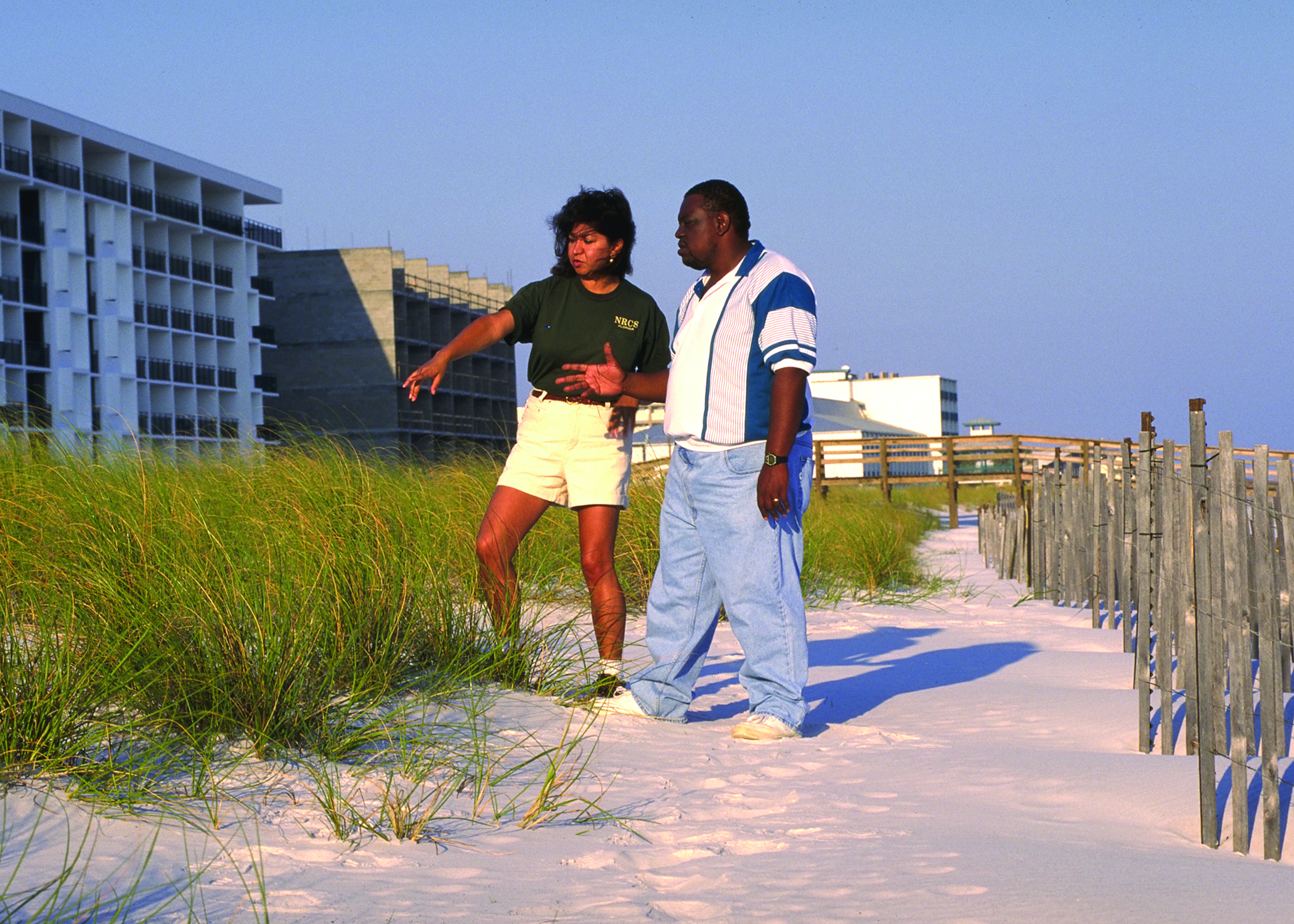
Dunes serve as an additional protective barrier when waves and elevated tides move farther inland.
Giovannetti told Bay News 9 that dune vegetation helps trap sand and hold the protective structures in place. She urged beachgoers to avoid walking on the dunes, which are protected by county and state regulations.
The project was financed primarily through Pinellas County's tourist development tax, which is paid by visitors staying in hotels and other short-term accommodations.
According to the county's official project page, the $125.7 million project includes $14.2 million in state grant reimbursement.
The county considers beach nourishment essential to protecting coastal infrastructure and maintaining the beaches that support its tourism economy.
New federal agreement changes future funding
While the restored shoreline has begun absorbing storm-related erosion, county officials are already preparing for future nourishment work.
A major obstacle to previous projects was the requirement that beachfront property owners grant permanent easements before federal money could be used to place sand on affected properties.
That dispute changed May 29, when Pinellas County and the U.S. Army Corps of Engineers signed an amended agreement.
The agreement allows greater flexibility in easement requirements and creates a path for the federal government to resume covering approximately 65% of eligible beach nourishment costs.
Unlike the previous requirements, new easements do not have to be permanent.
However, beachfront owners must still provide the necessary permissions for construction on their properties.
The distinction is important for communities along Sand Key, Indian Rocks Beach and other coastal areas where missing easements previously left gaps in restoration work.
County officials have begun contacting property owners about the next round of nourishment, according to Bay News 9.
Property owners urged to sign easements
Pinellas County's most recent nourishment project was completed without the federal cost-sharing assistance that historically helped pay for such work.
At a February completion ceremony on Treasure Island, Commissioner Kathleen Peters emphasized the value of restored beaches in reducing storm damage.
"If we had this infrastructure here when Helene came, the flooding damage would have been significantly less," Peters said, according to Bay News 9.
"So this is critically important to everything that is being rebuilt now."
Beach nourishment generally must be repeated every four to six years, depending on erosion and storm activity.
The county has not announced a construction schedule for its next nourishment cycle.
Beachfront property owners can learn about easement requirements through the county's Beach Nourishment and Easements program, email [email protected] or call 727-464-7799.





.jpg)