Nonprofit organizations in Palm Harbor, Dunedin and across Pinellas County face new governance rules under a state law that took effect July 1.
House Bill 797, now called the Florida Nonprofit Corporation Act, replaces the former Not For Profit Corporation Act. That statute had not been significantly updated in more than 15 years, according to a Florida House bill analysis. The new law passed both chambers unanimously: 114-0 in the House on Feb. 25 and 36-0 in the Senate on March 4. Gov. Ron DeSantis signed it June 25.
Florida had about 196,076 domestic nonprofit corporations as of January, according to the House analysis. Every one organized under state law is covered.
Duggan Cooley, president and chief executive officer of the Pinellas Community Foundation, laid out the law's local stakes in a Community Voices opinion column published Sept. 11 in the St. Pete Catalyst.
"Silence in bylaws is not neutral," Cooley wrote. "That reality alone is reason enough for every board to sit with its governing documents this year."
Three major changes nonprofit boards should know
Three areas stand out.
Default rules. The law introduces provisions that kick in automatically when an organization's bylaws don't address a topic. One example: directors now serve a default one-year term unless governing documents say otherwise. Most defaults can be adjusted through bylaws, but some cannot be overridden.
Tougher standards for directors and officers. Officers now have a duty to report material violations of law or breaches of duty through organizational channels. The law also adds a "recklessness" standard to the liability framework, targeting the conscious disregard of serious and obvious risks. At the same time, it expands personal liability protections for directors and officers of all nonprofit corporations.
Stricter conflict-of-interest rules. Boards must disclose conflicts, document decisions carefully, ensure only qualified directors participate in the vote and keep a clear record of how they reached their conclusion.
The law also reduces the minimum number of board directors to one for most nonprofits. Organizations classified as 501(c)(3) must still maintain at least three.
How local nonprofits should prepare for compliance
Cooley said the Pinellas Community Foundation does not provide legal counsel on the legislation but is directing organizations to compliance resources. He recommended nonprofit leaders start with a recorded webinar and FAQ page from the Florida Nonprofit Alliance, produced in partnership with the law firm Gunster, Yoakley & Stewart. The alliance also offers a Compliance Self-Assessment Tool on its website.
After reviewing those materials, Cooley said, boards should examine their governing documents with qualified legal counsel. No specific compliance deadline has been set, but the law's default provisions are already in force.
Upcoming community events
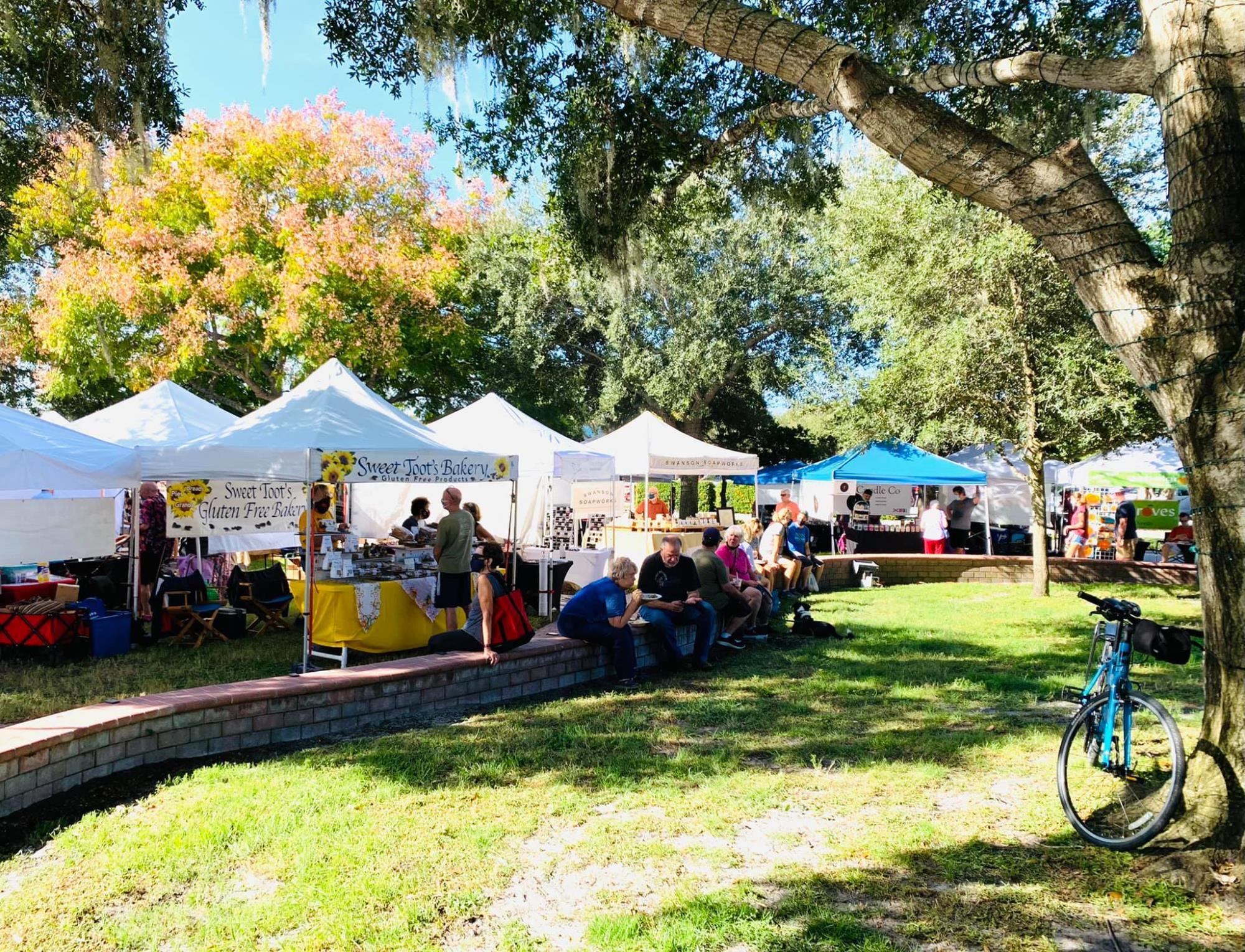
- Dunedin Farmers Market — Saturdays, 9 a.m. to 2 p.m., Pioneer Park, downtown Dunedin
- Pinellas Community Foundation — For information on local nonprofit resources, visit pinellascf.org



.jpg)