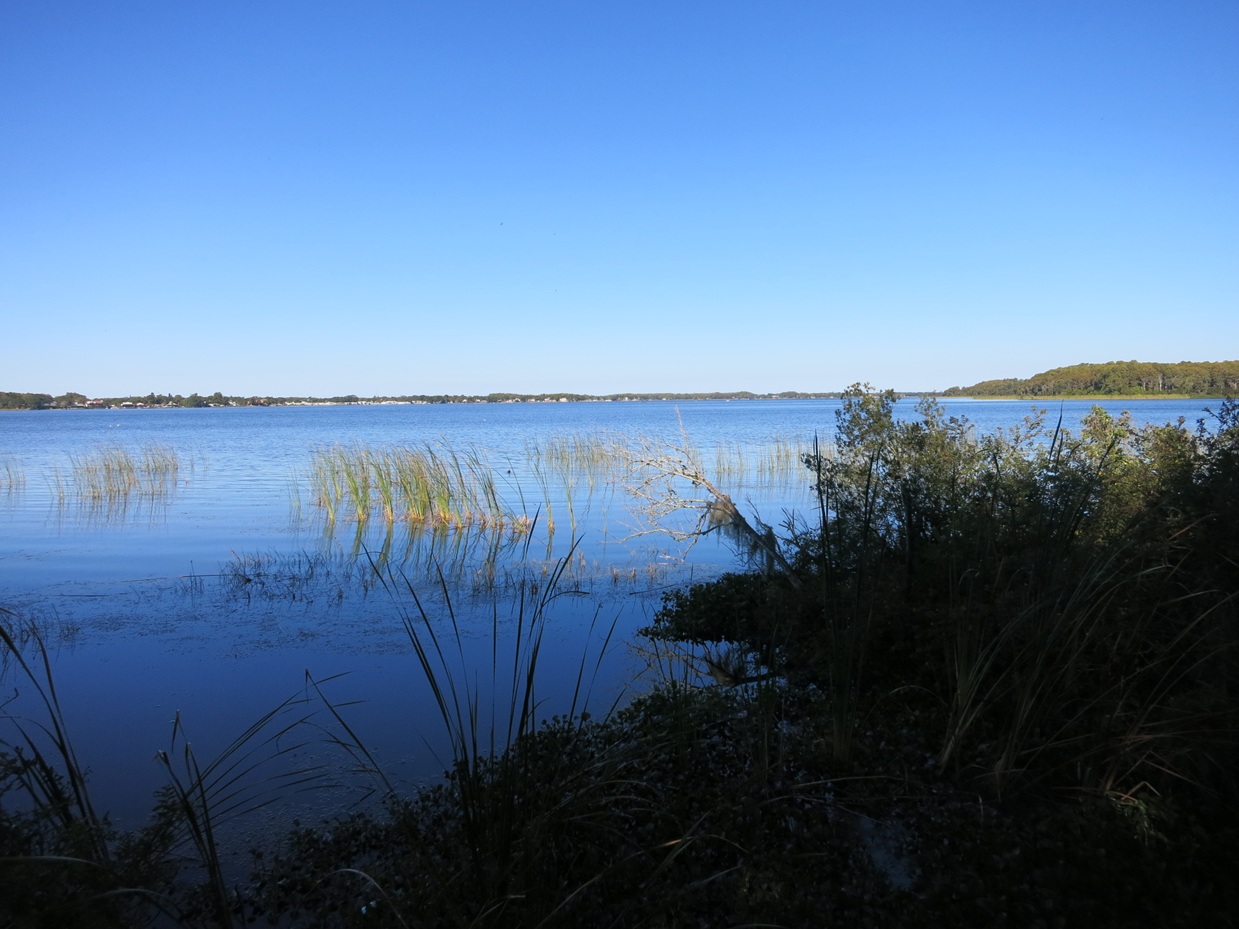
Pinellas County commissioners on Tuesday, Aug. 11, approved a letter of community support for a U.S. Army Corps of Engineers study that could lead to modifications of the Lake Tarpon Outfall Structure, the 56-year-old flood-control canal and gate system that regulates water levels in Pinellas County's largest lake.
The item passed on the commission's consent agenda as File #26-1215A. The letter is directed through the Southwest Florida Water Management District, which shares jurisdiction over Lake Tarpon with the county.
What the study would examine
The Army Corps' Section 216 authority, established under the Rivers and Harbors Act of 1970, allows the agency to re-evaluate a completed federal project when conditions have changed significantly since construction. A Section 216 feasibility study can ultimately lead to Congressional authorization for project modifications.
The outfall structure, known as S-551, was built in 1970 to relieve periodic flooding in what had been a closed basin. But decades of urbanization around the lake have brought new problems. According to county watershed records, Lake Tarpon's water quality criteria are "met" for nutrients but "not met" for chlorophyll-a, an indicator of algal growth.
The Southwest Florida Water Management District has been cooperatively investigating issues with the structure's reduced level of service and the potential need for a tidal gate at the outfall, according to district records.
Why it matters to Palm Harbor
Lake Tarpon spans roughly 2,534 acres across Palm Harbor and Tarpon Springs. It holds an Outstanding Florida Water designation and is a Fish Management Area renowned for largemouth bass. But the lake faces documented challenges: declining water quality from urban runoff, imbalanced fish communities and increased nuisance algal blooms, according to county project documents.
The county is already investing in the lake's health through a separate septic-to-sewer conversion project targeting three neighborhoods east of Lake Tarpon (Lora Lane, Keystone Ranchettes and Oakhill Acres), funded in part by $10 million from the Florida Department of Environmental Protection.
What comes next
No start date has been set. No timeline or cost estimate specific to this study has been announced.
The same Aug. 11 meeting included a Water Quality Month Proclamation recognizing county environmental specialists Jaysa Moley and Alex Manos, engineer Nancy Lamagna, project coordinator Kristen Perkins and water quality management specialist Charles Toney.
Upcoming community dates
- Dunedin Farmers Market: Saturdays, 9 a.m. to 2 p.m., Pioneer Park, downtown Dunedin
- Honeymoon Island State Park: Open daily, sunrise to sunset, 1 Causeway Blvd., Dunedin




.jpg)