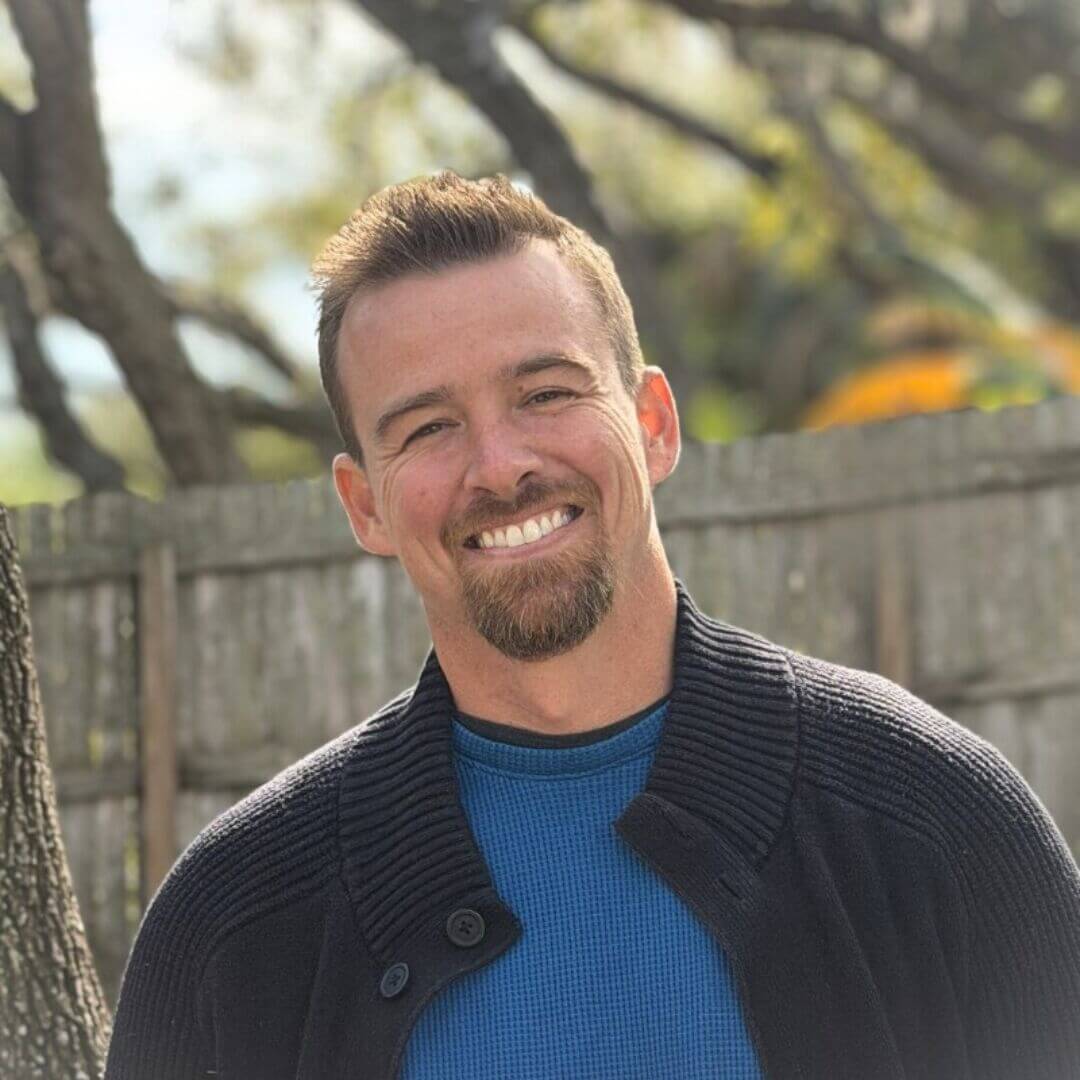
Hector Rivera, 59, drives for Uber and Lyft across Tampa to pay his bills. Driverless cars from Waymo and Tesla are now picking up some of the same passengers.
Rivera started driving for both platforms after the pandemic. Rideshare is his main source of income, along with some private clients he drives regularly, according to an article published by AOL. He upgraded his car to a Lincoln Navigator so he could qualify for Premier rides, which carry higher fares and better driver pay.
The arrival of autonomous vehicles in Tampa has him worried.
"It's one less trip that I can pick up," Rivera said. "We're putting more cars to compete on the streets but gas isn't going down, a gallon of milk isn't going down. These autonomous cars don't support a household."
Rivera said the real challenge will come when driverless cars can take rides to and from Tampa International Airport. Waymo is still negotiating with the airport for access to its roadways, airport spokesperson Joshua Gillin said in the AOL report. There is no timeline for that service. Tesla has not contacted the airport about expanding there, Gillin said.
Driverless fleets grow in Tampa
Waymo and Tesla both launched driverless vehicle fleets in Tampa in recent months. Waymo accepts rides across about 50 square miles, including Ybor City, Hyde Park, East Tampa, Water Street and the West Shore district. Tesla's Robotaxi operates in a smaller area, mainly Tampa Heights, West Tampa and Egypt Lake.
As of Oct. 19, anyone in Tampa can download the Waymo app and hail a fully autonomous ride, according to Tampa Bay Beacons.
A 2019 Florida law signed by then-Gov. Ron DeSantis allows autonomous vehicles to operate without a driver, as first reported by the Tampa Bay Times. The law requires a minimum $1 million insurance coverage for death, bodily injury and property damage. Cities have no regulatory oversight over the companies.
Waymo is also exploring Pinellas County. The company met with St. Petersburg's transportation department in August, according to WUSF.
Drivers feel the squeeze
David Stellar, a Tampa Uber driver with more than four years on the platform, said driverless vehicles will eventually dominate shorter rides near the city center. He takes only rides that average about $1 per mile to cover fuel costs.
"You no longer get to handle those small rides even if you're willing to take them," Stellar said. "It eliminates your leverage and eventually that leverage becomes you only taking rides where Waymo can't go."
Rivera called it "uncomfortable" to have his livelihood threatened by a machine.
The pressure extends beyond rideshare. In a May 2025 national survey of 419 gig drivers by payroll platform Everee, 59% said gig earnings made up at least half their total income. Two-thirds said their main reason for driving was to cover day-to-day bills. And 54% said they would increase their hours if economic conditions worsened.
Those cost pressures are visible across Tampa Bay. At a Sept. 23 panel in St. Petersburg, University of Tampa economics professor Dr. Michael Coon said not everyone has benefited from the region's growth, according to St. Pete Catalyst.
"People who are on the upper end of wealth distribution are doing quite well, but the people who are on the bottom end are still struggling," Coon said. "They're seeing their wages stagnate and seeing prices go up."
Waymo spokesperson Ethan Teicher wrote in a statement to the Tampa Bay Times that drivers who want to keep taking rides "will have the opportunity to do so." The company said it is investing in fleet-support jobs in Tampa and other cities. In Nashville, Waymo and Lyft partnered to create more than 70 fleet-servicing jobs by year's end, about half filled by current or former Lyft drivers.
Waymo's service area in Tampa does not yet include the airport. For Rivera, that boundary is the line between manageable competition and a direct threat to his paycheck.