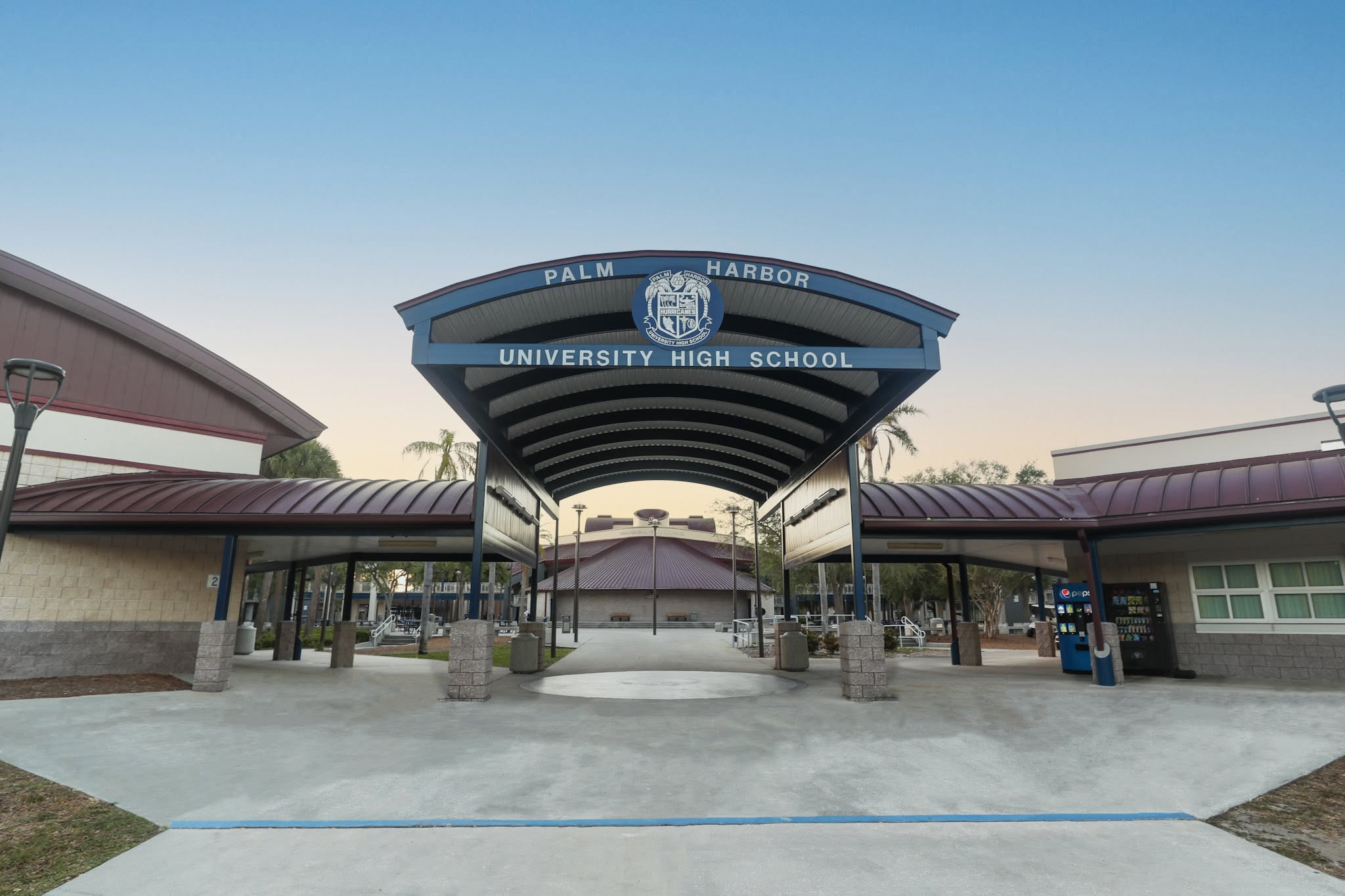
Palm Harbor University High School is now the largest school in Pinellas County, enrolling 2,413 students in the 2024-25 school year, according to state data published Sunday. The milestone comes as the district overall shrank by 3,145 students, a 3.5% drop from 91,021 to 87,876.
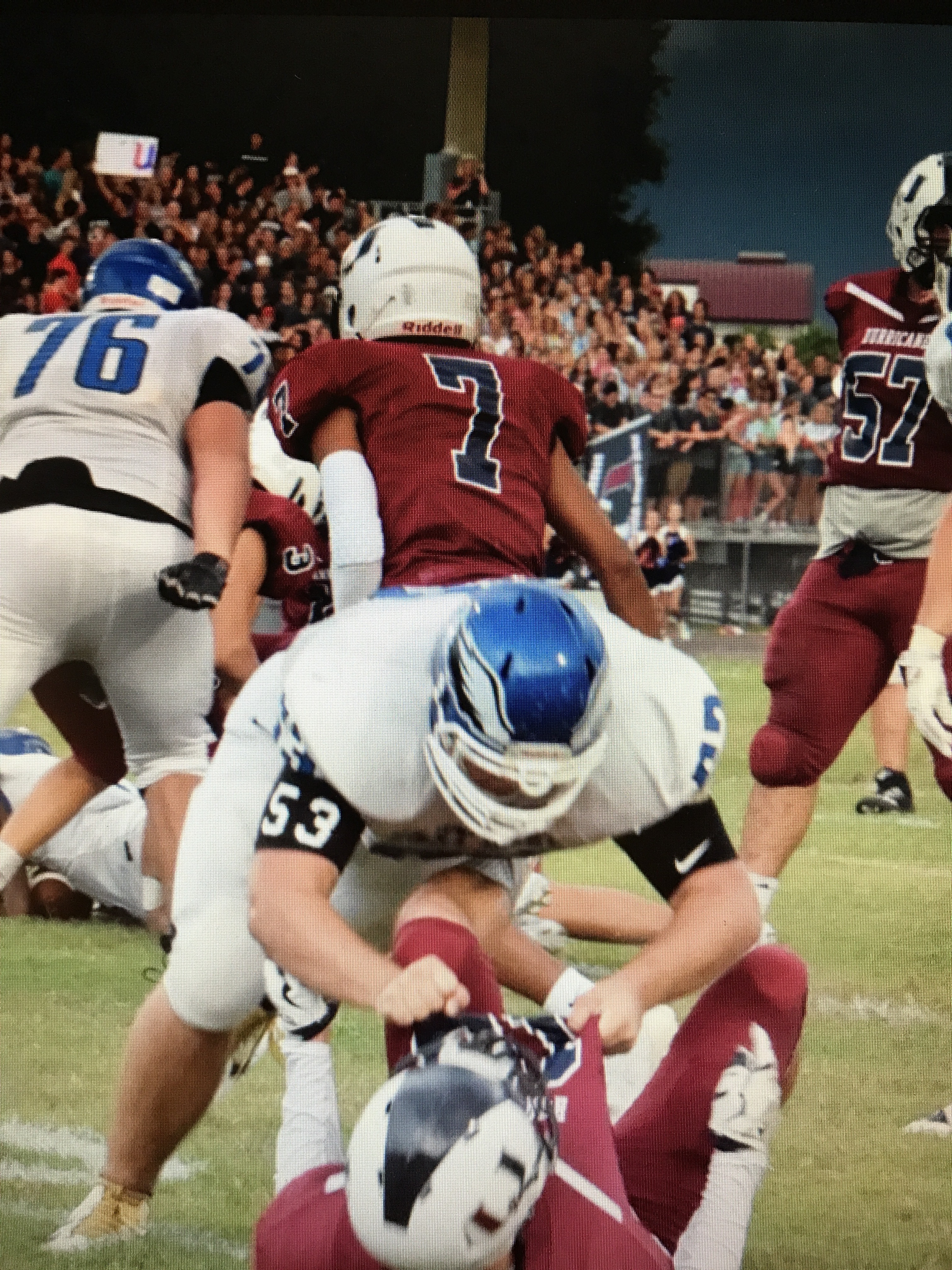
The school, which opened in 1996 and was originally planned as "University High School at Palm Harbor," has grown into a magnet destination that draws students from across the county. The "University" name was meant to signal a partnership with the University of South Florida that never materialized, but the school kept the branding. Today it hosts three specialized magnet programs alongside its traditional curriculum: the International Baccalaureate program, the Center for Wellness and Medical Professions (which added a biomedical focus in 2014-15) and the Career Academy of Business Administration and Management. U.S. News & World Report ranks PHUHS No. 62 in Florida and No. 1,063 nationally for 2025-26, and the school reported a 100% graduation rate for 2024-25, which the district called its highest ever. Seventy-six percent of students take at least one AP exam. Principal Teresa Patterson leads the campus, whose teams go by the Hurricanes.
Those magnet draws help explain why enrollment held strong even as Pinellas County Schools lost roughly 20,000 students since the 2016-17 school year and now sits on approximately 45,000 empty seats across its campuses. Other Palm Harbor schools, including Palm Harbor Middle and Ozona Elementary, also appeared in the school-by-school data alongside Dunedin High and Dunedin Highland Middle, though individual figures for those campuses were not immediately available.
The new numbers arrived two days before students return to class Tuesday, Aug. 11, and they carry real budget consequences. Board member Laura Hine told colleagues at the April 28 school board meeting that declining enrollment means the district will receive approximately $13 million less in state funding for 2026-27 and expects 3,600 fewer students this fall.
Superintendent Kevin Hendrick has attributed the long-term decline to falling birth rates, the cost of living, hurricane displacement and a rise in homeschooling. Since Florida made school vouchers universally available in 2023, more than 500,000 students statewide have used public money for private-school tuition or homeschooling. Only 68% of children born in Pinellas County in 2020 enrolled in district schools last year.
"We have fewer kids and we know it, and it's not going to change," Hendrick said at a July 9 Planning for Progress community forum, referring to the district's consolidation planning effort.
The district does not plan to close high schools in the current round, meaning Palm Harbor University High and Dunedin High are not on the chopping block. But elementary and middle schools with low utilization remain under review. Cross Bayou Elementary and Disston Academy closed at the end of the 2025-26 school year as the first consolidations, and the district is now evaluating which additional campuses could close after the 2026-27 school year.
Dunedin High hosted one of the district's Planning for Progress community meetings on July 15, where families weighed in on potential closures. About 600 people attended the meetings districtwide, and more than 1,000 surveys were completed as of late July, Bay News 9 reported.
Hendrick told the Tampa Bay Times in July that maintaining underutilized buildings is not financially sustainable, but said there is no predetermined number of schools slated for closure. "With 45,000 open seats, obviously you could close a lot of schools, but we're not interested in doing that," he told Bay News 9 on July 21. "We want to do what makes sense in a community."
Consolidation recommendations are expected to go before the school board in late August or early September so families can plan ahead of school choice applications opening Jan. 5, 2027. Approved closures are expected to take effect in spring 2027.
The board's seven members — Chair Caprice Edmond, Vice Chair Dawn M. Peters, Katie Blaxberg, Lisa N. Cane, Laura Hine, Stephanie Meyer and Eileen M. Long — will vote on the final recommendations this fall. Families can submit additional feedback once those recommendations become public.
.jpg)