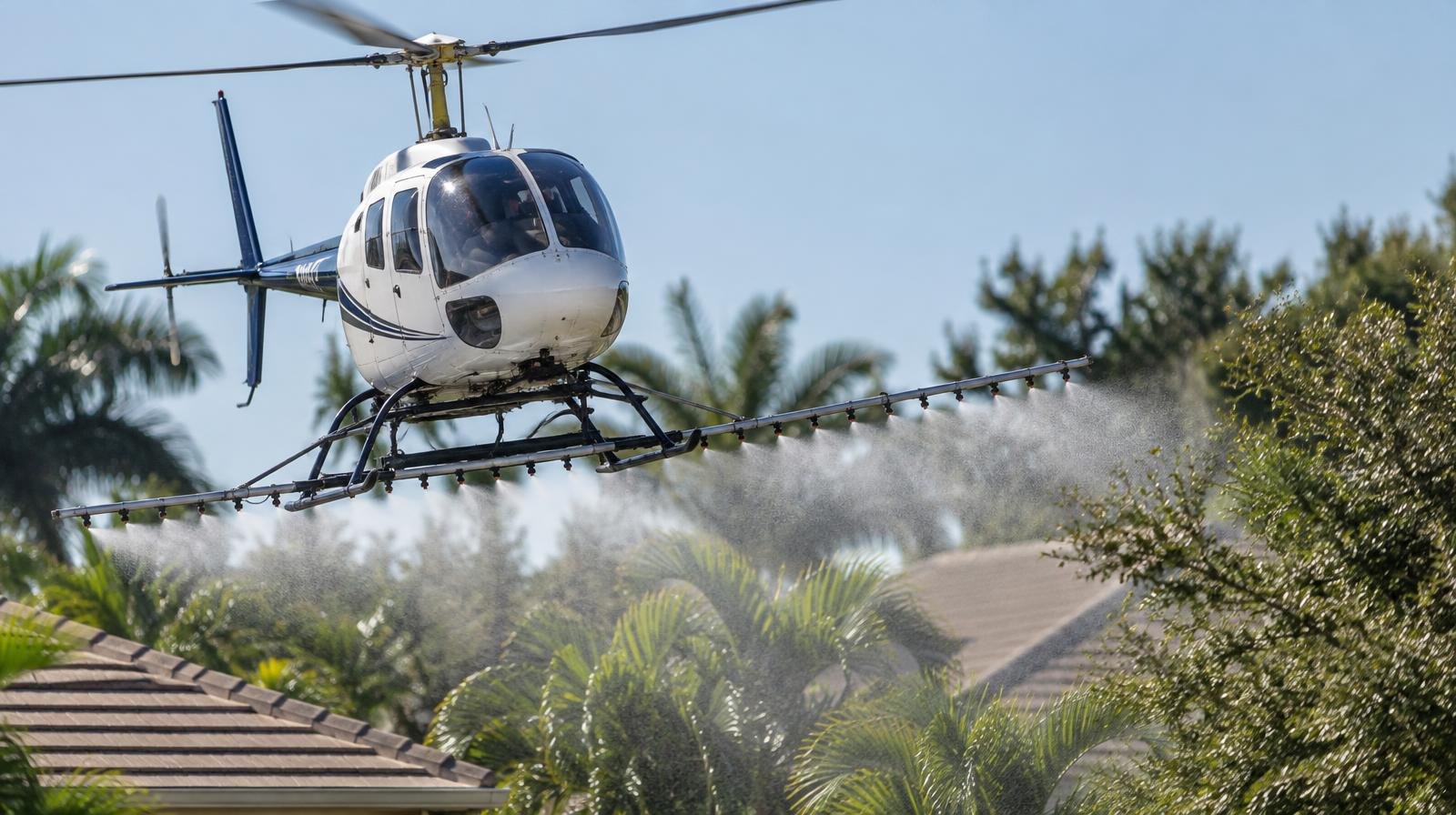
Low-flying helicopters sprayed a fine mist over parts of Pinellas and Hillsborough counties on Nov. 5, applying a naturally occurring bacterium to kill mosquito larvae as Florida's dengue outbreak surpassed 500 locally acquired cases, the Tampa Bay Times reported.
The operation is part of an escalating fight against what health officials describe as the country's largest dengue outbreak in more than a decade. As we reported Nov. 6, Pinellas County had recorded 80 locally acquired dengue cases. That number held steady in the Florida Department of Health's (FDOH) Week 43 surveillance report, which covered data through Oct. 31.
Statewide, 524 locally acquired dengue cases had been reported in 2026, according to the FDOH report. Hillsborough County accounted for 407 of those cases. The previous 16 years combined saw only 606 locally acquired cases across the entire state, the Tampa Bay Times reported.
What the helicopters are spraying
The aircraft spray water mixed with Bacillus thuringiensis israelensis (Bti), a naturally occurring soil bacterium that targets mosquito and black fly larvae. Pinellas County has used Bti in mosquito control for decades, according to the county's dengue information page.
Bti is considered safe for humans, pets and pollinators when used properly, the county said. The product used for Pinellas County's aerial treatments is listed by the Organic Materials Review Institute, meaning it may be used in certified organic production under federal standards.
In coverage published in October, Pinellas County Mosquito Control spokesman Brian Pellerin told WUSF the spray "is not a sort of gas or something that would linger in the air. It's going to drop to the ground and just kind of land in that standing water." If it lands on a person, he said, "just basic hygiene, soap and water, rinse it off."
Pinellas County's own helicopters cannot apply the liquid mist treatment, so the county partnered with Lee County Mosquito Control to bring in aircraft. Truck-based treatments cannot efficiently cover all areas that need attention, county officials said, and helicopters can reach areas that are difficult to treat from the ground.
Next round on hold
A follow-up round of aerial treatments planned for portions of Clearwater and St. Petersburg during Nov. 9–15 will not take place because of forecast high winds, according to the Pinellas County dengue page.
Other aerial treatments targeting mosquitoes in natural areas such as swamps and parks may still proceed, weather permitting. Those separate operations use dry granular products rather than the liquid Bti mist.
Residents can sign up for text or email alerts about future aerial treatments through Alert Pinellas.
Why this strain concerns health experts
The dengue virus type predominantly circulating in Florida "has been noted to cause more severe symptoms than the other three serotypes," Kristi Miley, a University of Florida public health professor, told the Tampa Bay Times. Florida has documented all four dengue virus types since 2009.
A second infection with a different dengue type can be more dangerous than the first, Miley said. Epidemiologist Katelyn Jetelina put it plainly in social media posts: "Dengue is a doozy, mainly because the second infection can be more dangerous than the first."
Symptoms to watch for
About three in four people infected with dengue do not develop symptoms. When symptoms appear, they typically begin four to 10 days after an infected mosquito bite. Common signs include high fever, headache, nausea, vomiting, rash, pain behind the eyes and muscle or joint pain, the Tampa Bay Times reported.
About one in 20 people who become sick with dengue develop severe dengue, a life-threatening emergency that can cause internal bleeding and shock. Warning signs include serious stomach pain, vomiting at least three times in 24 hours, bleeding from the gums or nose and blood in stool or vomit.
Those symptoms often appear 24 to 48 hours after the fever subsides. Anyone experiencing them should seek immediate medical care.
There is no specific antiviral treatment for dengue. The U.S. Centers for Disease Control and Prevention (CDC) recommends rest, fluids and acetaminophen for fever and pain. Aspirin and ibuprofen should be avoided because they increase the risk of bleeding.
How residents can help
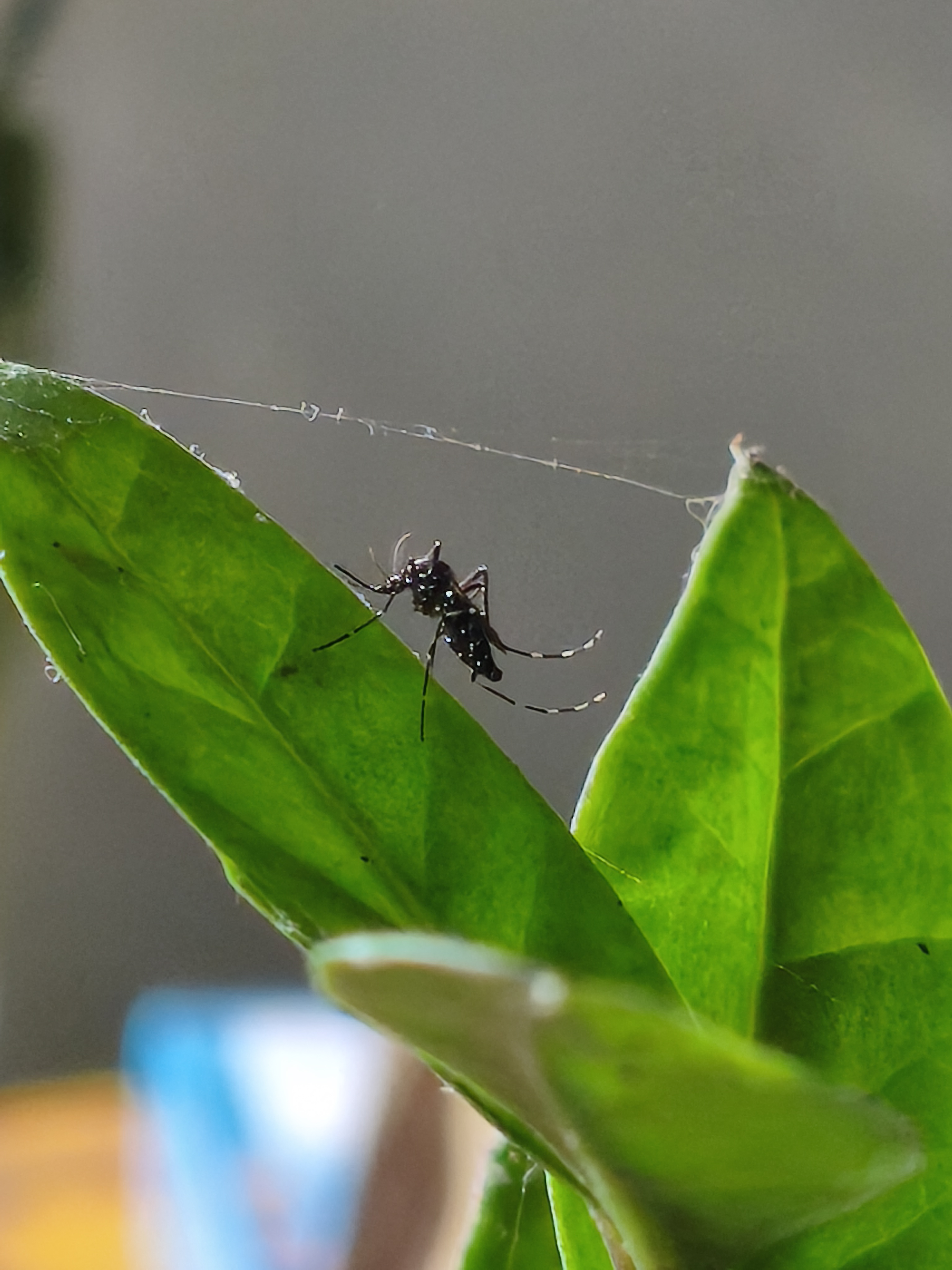
The mosquitoes that carry dengue breed in standing water and often bite during the day, not just at night. They can breed in very small amounts of standing water.
Pellerin told WUSF in October: "Think of things like dog bowls, tires, kids' toys, buckets, trash cans. Those little containers breed them."
Pinellas County urges residents to dump standing water at least once a week, wear light-colored long sleeves and pants when practical, and use EPA-registered insect repellents such as DEET or picaridin.
Anyone who suspects infection should see a doctor and avoid mosquito exposure for seven days after symptoms begin to reduce the risk of transmitting the virus to other mosquitoes, Miley said.
Pinellas County Mosquito Control is also conducting door-to-door inspections in areas of concern, offering to help residents dump or treat standing water. Due to the outbreak, the department cannot respond to routine mosquito complaints.