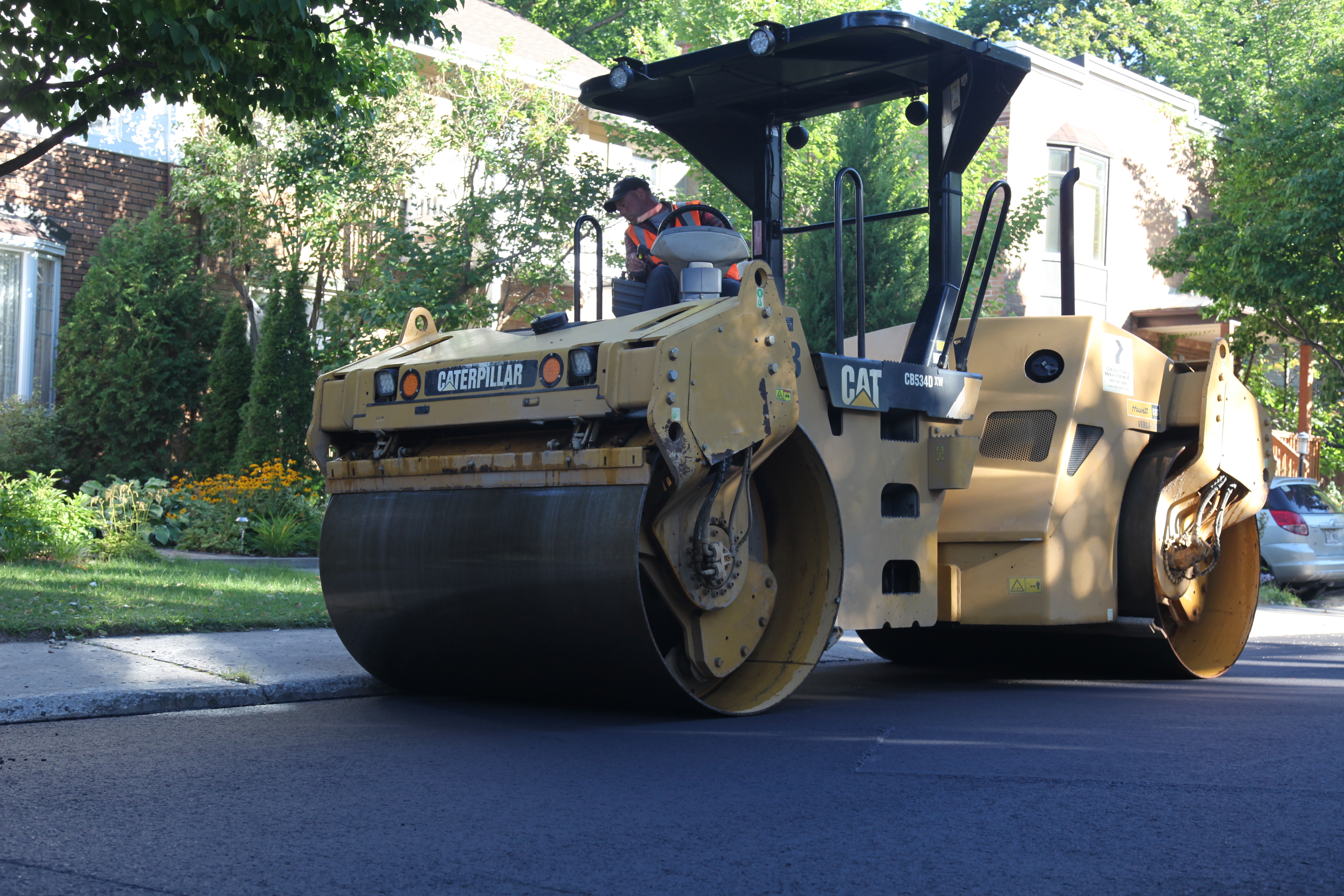
Sensors mounted on city vehicle axles are now guiding which Dunedin streets get repaved first, part of a technology upgrade the city says will stretch its $1 million annual paving budget further.
The City of Dunedin announced the enhancement in its July 30 DunediNEWS newsletter, describing how new software paired with vibration-measuring sensors calculates roadway roughness across the city's approximately 127 lane miles. The system provides year-round condition updates, replacing older methods of identifying which roads need work most urgently.
The 2026 Pavement Management Program is underway. According to the city's Engage Dunedin project page, this year's paving list includes several downtown streets: Bay Street from Bass Boulevard to Martin Luther King Jr. Boulevard, Milwaukee Avenue from Skinner Boulevard to Bay Street, Oak Street from Skinner Boulevard to Bay Street, Jackson Street from MLK to Douglas Avenue, and Palmetto Street from Douglas Avenue to Jackson Street. Residential streets in the Santa Monica/San Salvador and Overcash Drive/Ranchwood areas are also on the list.
The annual program draws roughly $1 million from the County Gas Tax fund and Penny fund for paving, plus about $200,000 from the Stormwater Utility Fund for curb and gutter replacements. Engineering staff still perform field inspections to confirm deficiencies before scheduling work, but the sensor data now gives them a data-driven starting point rather than relying solely on visual assessments and complaints.
The city's rationale: catching deterioration early saves money. According to the city's infrastructure page, proactive preventive maintenance avoids the higher costs of emergency or corrective repairs down the line.
The technology has been in development since early 2024, when the city issued a request for qualifications. By October 2024, sensors were gathering data. By October 2025, they were collecting pavement condition information city-wide. The July 30 newsletter highlighted the system as actively shaping this year's resurfacing decisions.
Public Works Director Suzanne Bartlett and Utilities & Engineering Director Clayton Watkins oversee the departments responsible for the program. Neither was quoted in the city's announcement.
The city also launched Engage Dunedin, a new online platform where residents can register for project updates and submit feedback on the paving program and other city initiatives. No completion date for the 2026 paving project has been announced. Residents near listed streets can sign up for notifications through the platform.



.jpg)